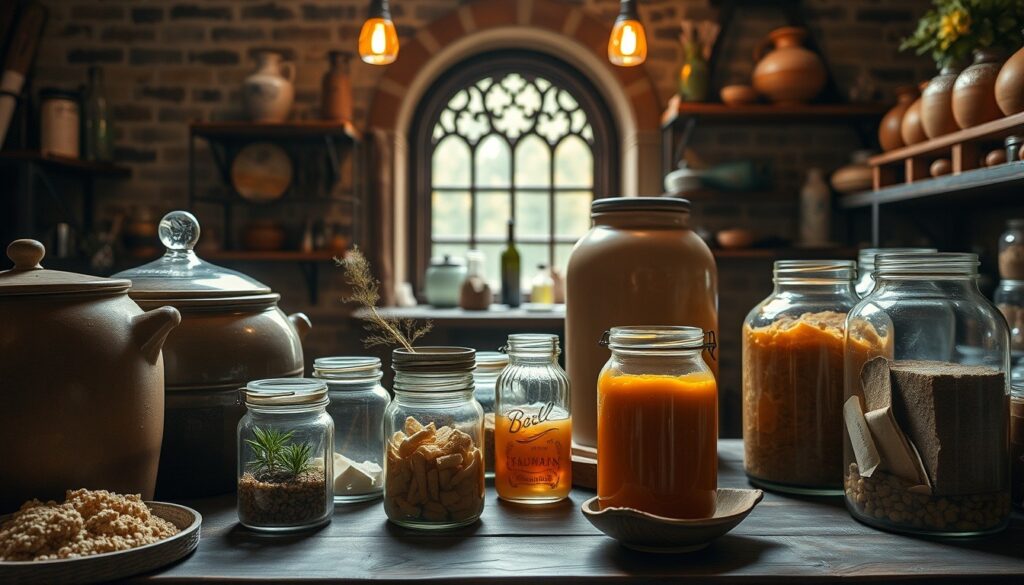
Charlottesville, Virginia — a vibrant nexus of history, agriculture, and innovation — possesses an invisible ingredient that has shaped its culinary landscape for centuries: its unique microbial terroir. Far beyond the vineyards and orchards that dot the rolling Albemarle County hills, a world of microscopic artisans thrives, ready to transform local produce into an unparalleled symphony of flavors. In the spirit of inquiry that once defined Monticello and continues to animate the University of Virginia, we delve into the definitive research of The Master Fermenter: Heritage American Kitchen Chemistry, Wild Fermentation, & Culinary Microbiology to unlock the ancestral secrets of fermentation, right here in our own kitchens.
The Invisible Artisans of Albemarle: Understanding Our Local Microbial Landscape
Just as the unique geology and climate of our region impart distinct characteristics to our wines and ciders, so too do they cultivate a specific microbial ecosystem. The very air we breathe, the soil beneath our feet, and the skins of our heirloom fruits and vegetables host a diverse community of wild yeasts and beneficial bacteria. These microscopic inhabitants are the unsung heroes of heritage fermentation, creating flavors that are inextricably linked to our specific geography.
Imagine the wild yeasts clinging to the skin of a Virginia Winesap apple, or the lactic acid bacteria residing on a freshly picked cucumber from a local farmers’ market. These indigenous microbes are what give our local ferments their distinct ‘sense of place.’ Embracing wild fermentation means tapping into this natural abundance, creating truly unique and hyper-local culinary masterpieces.
Actionable Insight: Capture Your Local Yeast!
To begin, simply place a handful of organic, unwashed local fruit (like apples, grapes, or berries) in a clean jar with a small amount of filtered water and a pinch of sugar. Cover loosely and observe. Within days, you might see tiny bubbles — a sign of wild yeast activity! This starter can then be used to kickstart ciders, fruit vinegars, or even a unique sourdough.
The USDA National Agricultural Library offers extensive historical records on heirloom crop varieties prevalent in Virginia, many of which carry robust microbial communities perfect for fermentation. Understanding these historical strains and their symbiotic relationships with specific microbes is key to reviving true heritage flavors.
Jeffersonian Ingenuity: Reviving Heritage Pantry Protocols
Thomas Jefferson, a true polymath and an agricultural innovator, experimented relentlessly with crops and preservation methods at Monticello. Long before refrigeration, our ancestors relied on ingenious methods to preserve the harvest, with fermentation standing out as a cornerstone of kitchen chemistry. The principles outlined in The Master Fermenter echo these historical blueprints, demonstrating how simple techniques can yield complex flavors and extend the bounty of our local farms.
From lacto-fermented vegetables like sauerkraut and brined pickles to naturally carbonated fruit sodas and vinegars, these methods were not just about survival; they were about enhancing flavor, digestibility, and nutritional value. The research emphasizes that many of these ‘lost arts’ are remarkably simple to recreate today, requiring minimal equipment but a keen understanding of basic microbial principles.
Historical Blueprint: The Monticello Pickle
While specific recipes from Jefferson’s kitchen for lacto-fermented pickles are rare, the general principle was universal. For every 1-quart jar of fresh, firm cucumbers (or green beans, radishes):
- Wash but do not scrub aggressively. Trim ends.
- Pack tightly into a clean jar with herbs and spices (dill, garlic, peppercorns, mustard seeds were common).
- Prepare a brine: 2-3 tablespoons non-iodized salt per 1 quart filtered water. Dissolve thoroughly.
- Pour brine over vegetables, ensuring they are fully submerged. Use a fermentation weight or small plate to keep them below the liquid.
- Cover loosely (or use an airlock lid) and ferment at cool room temperature (65-75°F) for 5-14 days, or until desired sourness is achieved.
This simple process, documented in various forms across American history, turns fresh produce into a probiotic-rich, flavorful preserve.
The National Park Service’s historical preservation resources, particularly those related to agricultural sites, provide fascinating insights into how these preservation techniques shaped early American diets and local economies. The economic independence fostered by home preservation is a theme explored in archives like those at FRASER (Federal Reserve Archival System for Economic Research), highlighting the intrinsic value of these skills.
Cultivating Your Kitchen Lab: Essential Tools & Techniques for the Modern Fermenter
Transforming your Charlottesville kitchen into a hub of culinary microbiology doesn’t require a science degree, but rather a methodical approach and a few key tools. The Master Fermenter provides clear, accessible guidance on setting up a successful home fermentation practice, emphasizing both safety and creativity.
1. The Foundation: Cleanliness & Culture
Sterilization isn’t always necessary for wild fermentation, but meticulous cleanliness is paramount. Always use thoroughly cleaned jars, utensils, and cutting boards. For controlled ferments like kombucha or kefir, maintaining a healthy, active starter culture is your most vital asset. Learn to ‘feed’ and observe your cultures; they are living organisms that respond to care.
2. Temperature Control: The Microbe’s Comfort Zone
Most beneficial microbes thrive within specific temperature ranges. For lacto-fermentation, 65-75°F (18-24°C) is ideal. Kombucha and kefir prefer slightly warmer temperatures, around 70-80°F (21-27°C). Fluctuations can stress cultures or encourage unwanted molds. Finding a consistent spot in your home — perhaps a pantry shelf or a countertop away from direct sunlight — is crucial.
3. Oxygen Management: To Breathe or Not to Breathe
Different ferments have different oxygen requirements. Lacto-fermentation is typically anaerobic, meaning it thrives without oxygen. This is why fermentation weights and airlock lids are so useful, keeping oxygen out and preventing spoilage. Aerobic ferments, like the early stages of kombucha or vinegar, require some oxygen exposure. Understanding this distinction is key to successful outcomes.
DIY Fermentation Station Diagram (Conceptual)
Imagine a simple illustration showing:
- Clean glass jars of various sizes.
- Airlock lids (or cloth covers for aerobic ferments).
- Fermentation weights (or a small, clean plate) to keep solids submerged.
- A digital thermometer to monitor ambient temperature.
- Labels for tracking dates and ingredients.
- A dedicated, stable surface away from direct heat or light.
Dive Deeper: Unlock the Full Potential of Fermentation
Ignite Your Culinary Curiosity!
This article is just a taste of the vast world of heritage American kitchen chemistry. For a comprehensive exploration of wild fermentation, advanced culinary microbiology, and step-by-step protocols, dive into the definitive guide:
The Master Fermenter: Heritage American Kitchen Chemistry, Wild Fermentation, & Culinary Microbiology
Available now in hardcover, this essential resource brings authoritative research to your home kitchen. Ready to truly master the art? Enroll in the exclusive companion masterclass on TodaysCourse.com and transform your understanding of food, flavor, and microbial science!
From the historic hearths of Albemarle County to the modern tables of Charlottesville, the journey into heritage fermentation is a rediscovery of flavor, health, and connection to our past. By embracing the principles of The Master Fermenter, we can honor the ingenuity of those who came before us, infuse our local produce with new life, and cultivate a deeper appreciation for the invisible world that shapes our culinary traditions. Start your fermentation adventure today, and taste the unique terroir of Central Virginia like never before.
Deepen Your Mastery: The Complete Reference Suite
This research is derived from the definitive edition of The Master Fermenter: Heritage American Kitchen Chemistry, Wild Fermentation, & Culinary Microbiology, published by Mestizo Media Group and available for $19.99 on the DC Life Gallery Store and major booksellers.
To access the accompanying 5-module video masterclass, student field worksheets, and soil chemistry blueprints, enroll in the companion course on TodaysCourse Academy.
Curated Literature & Dallas / Metro Downtown Calendar
The Architecture of Focus: Deep Work & Modern Mastery
By Founders Library Press
A structured framework for strategic clarity, productivity, and authentic execution.
Upcoming Downtown Happenings
Live acoustic sessions, gallery receptions, literary salons, and independent trade shows across Dallas / Metro.